Monday gave me a pitcher's slate. Nine games, low totals across the board, and the parks playing to the arms. When the board looks like that, I stop reaching for sides and go back to the bet type that has carried me all year: the first five innings.
Why I Live in the First Five
A full-game total asks you to trust two bullpens you cannot see coming. The first five strips that out. You are betting the starters and the lineups, which is the part of a game I can actually model. When I have a real read on the pitching and the park is cooperating, the first-five under is the cleanest way to say it. It has been my best category for weeks, and tonight the slate handed me two clean ones.
The tool I lean on is a starting-pitcher rating that measures how much each arm suppresses runs. When one side holds a big edge, the first five tends to go that team's way. Here is the catch I respect, and it is the whole point: a great starter only quiets a game if the other guy can pitch too. Put an ace against a batting-practice arm and the lineup just feasts on the bad one. So I am not chasing every big rating. I am chasing the games where both arms belong out there.
Tonight's Card
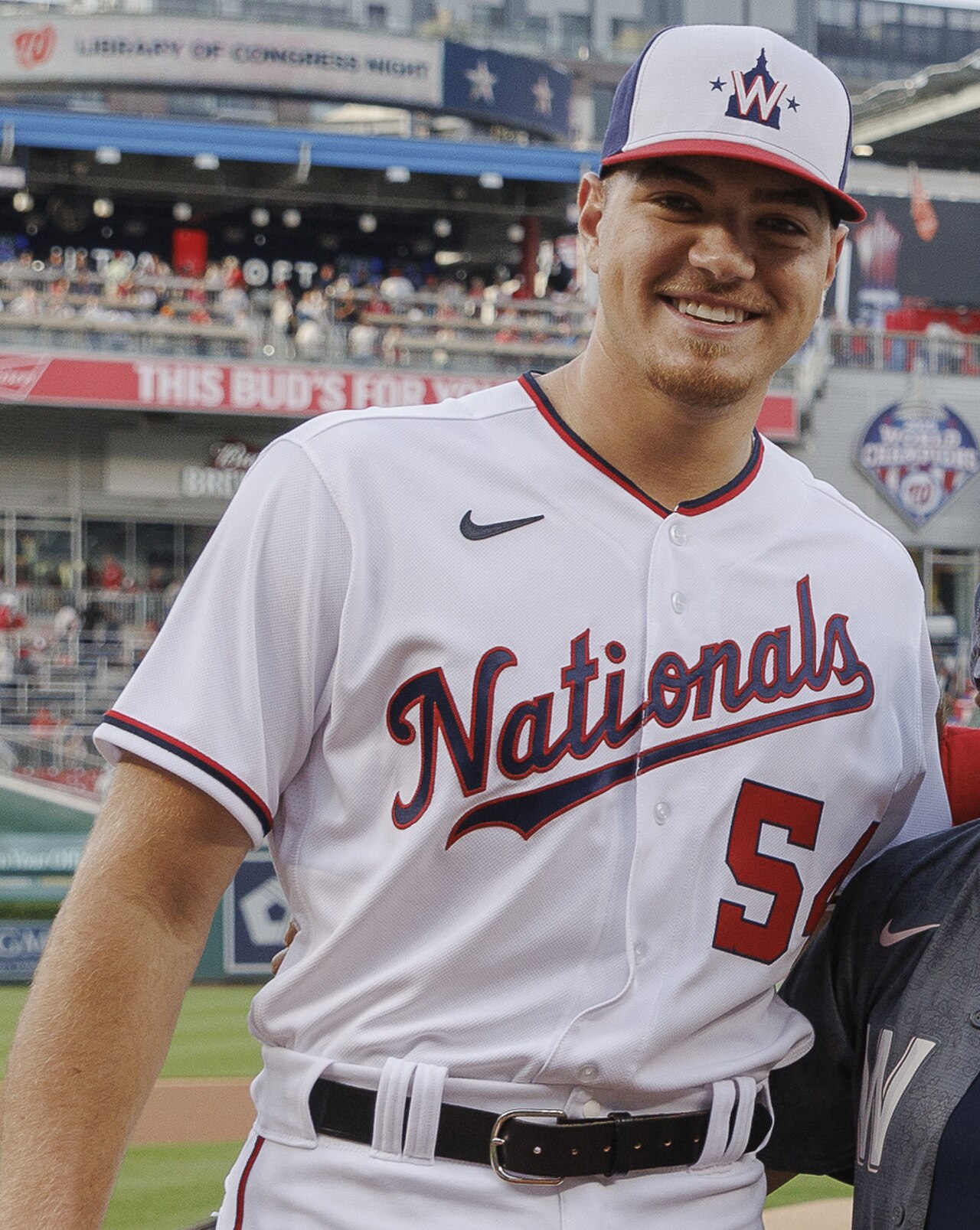
Washington draws a Miami club that has been one of the worst road teams in baseball, badly outscored away from home all season. Sandy Alcantara has been a different pitcher on the road, giving up runs in bunches, while Cade Cavalli has been sharp and misses bats. The Nationals have swung it well against right-handers lately and should get to Alcantara early at home.
A half-unit rider on the Nationals game. Cavalli carries a strong strikeout rate and faces a Marlins lineup that has scuffled against right-handed pitching on the road. He has the swing-and-miss stuff to work into the middle innings, and plus money makes the number worth the price.
Two pitchers who limit damage open this one in a park that has played pitcher-friendly all year. San Francisco brings the weakest offense in baseball into Milwaukee, and the early innings set up low-scoring before either bullpen gets involved. The first five favors the arms here.
Texas is the steadier club and catches St. Louis with a home starter whose surface numbers hide real trouble underneath. Jacob deGrom is missing bats at an elite rate, and the Rangers hold the edge in the bullpen and the lineup. The Cardinals have had a hard time scoring at home.
Milwaukee is the stronger team top to bottom and runs out one of the best bullpens in baseball against the weakest offense in the league. San Francisco has struggled to score on the road all season, and the Brewers are built to grind out a low-scoring game and win it late at home.
Seattle plays in the most pitcher-friendly park in baseball, and the Mets bring one of the weakest road offenses into a cool, heavy-air night. Emerson Hancock has limited runs all season, and New York opens with a bullpen game. The setup points to a quiet first five.
Yesterday
Sunday, May 31: 3-2, +0.22u
A small green night. The sides did their job and a couple of riders came up short, but the recalibrated model held its shape and the card finished in the black. A quiet profit on a day the variance could have gone either way is exactly what the process is built for.
The Approach
Six plays: three sides, two first-five unders, and a strikeout prop. Small stakes tonight, because I am forward-testing the expanded first-five coverage on real results instead of just simulations. The number on the screen is not the point. Whether the bet type holds up over weeks is.
Every play cleared the same two filters I run on everything: a real edge against the price, and a simulation that backs the side. No forced action. Just the plays that passed.